
Ten tips for dealing with emergencies

Learn how to provide first aid.

Always pay attention to emergency hotline calls and follow their instructions.

Make a list of important phone numbers and create a plan of what to take if you had to leave your home quickly.
Insure your necessary property and keep the insurance contracts at a safe place.

When leaving your home, close and lock all the windows and doors.

Let somebody close to you know what has happened and where you are going.

Keep your phone and its charger always at hand.

Stay calm, do not panic.

Find out if your neighbours need help.

Do not be indifferent, help others. It is always better to do something than nothing at all.




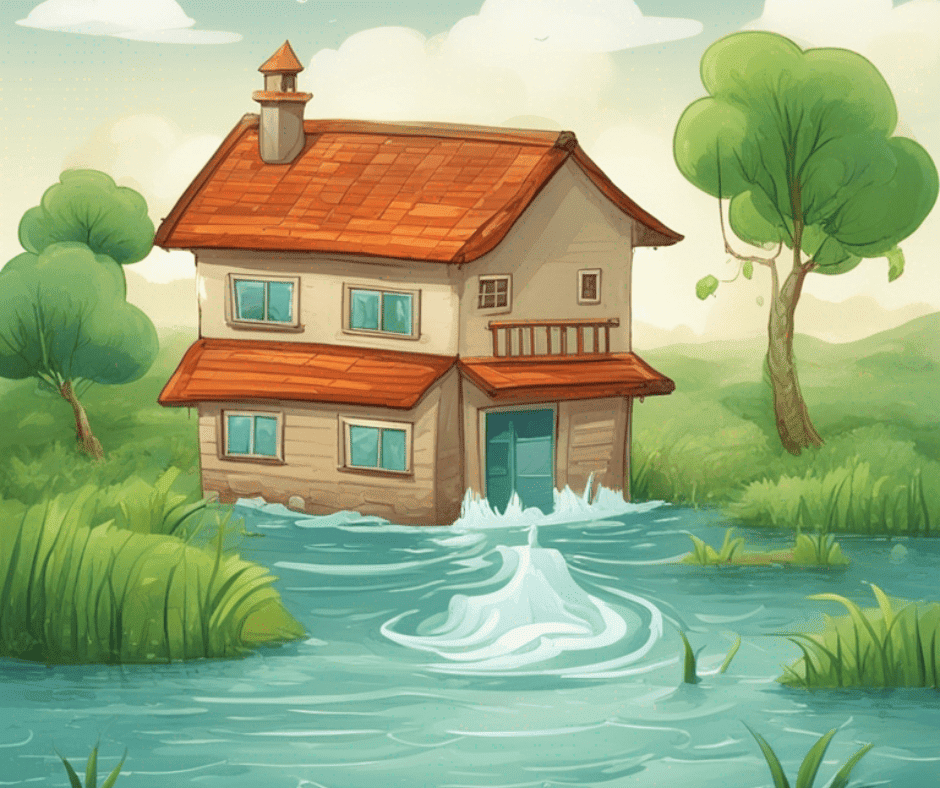
Floods

Fire
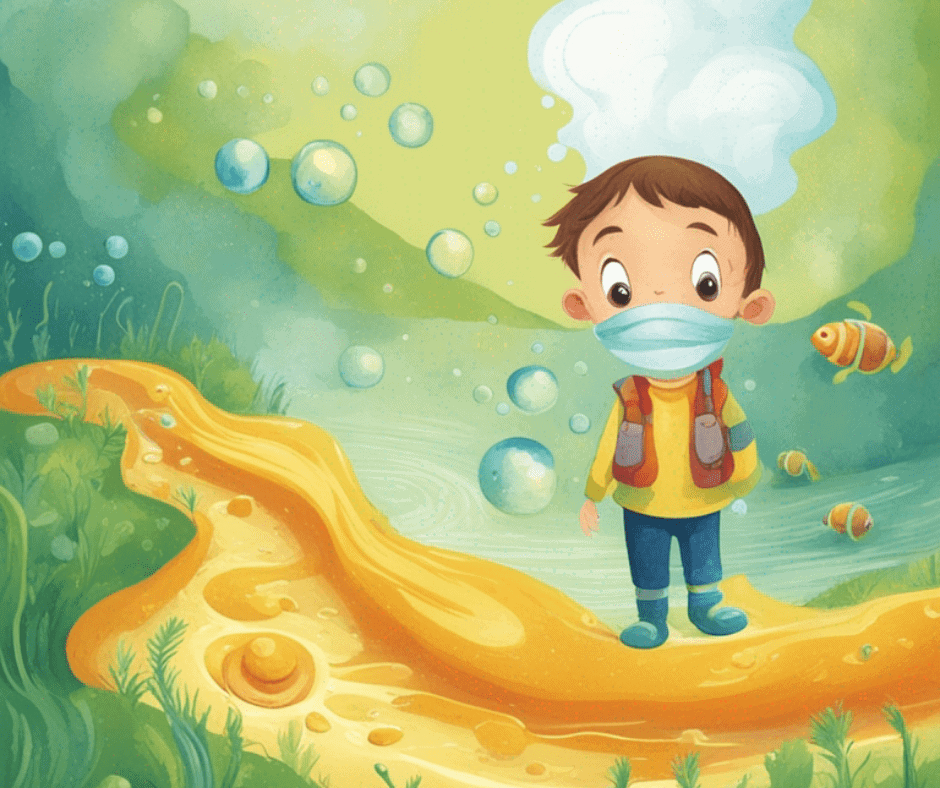
Epidemic
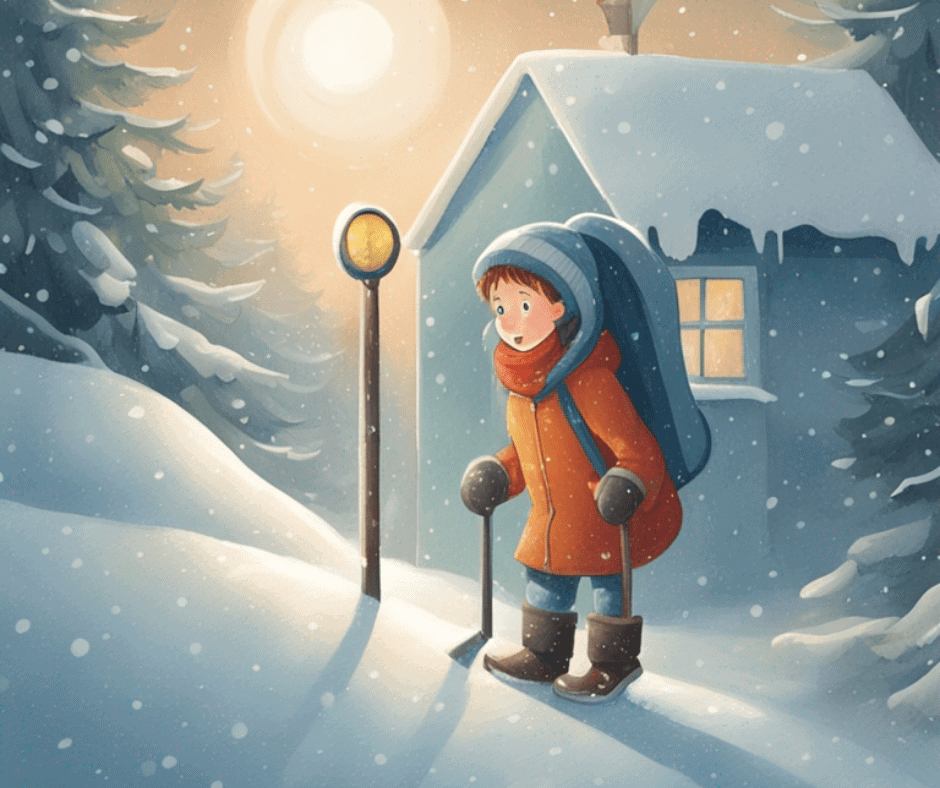
Extreme cold
Extreme heat
Traffic accident

Chemical spill
Common accidents
Blackout

Drought
Infestation hazard
Active shooter
Terrorism
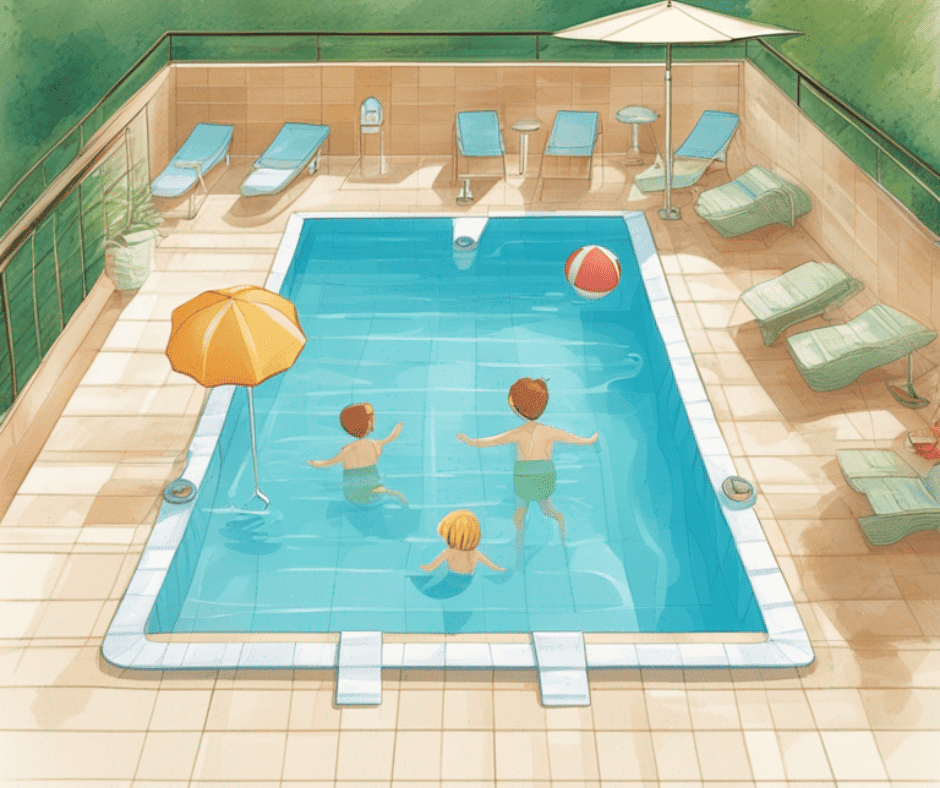
Water Safety

Movement in the mountains
Floods
Fire
Epidemic
Extreme cold
Extreme heat
Traffic accident
Chemical spill
Common accidents
Blackout
Drought
Infestation hazard
Active shooter
Terrorism
Water Safety
Movement in the mountains
When the siren sounds
Evacuation baggage
Pets
Floods
Floods are some of the most common and most devastating natural disasters. Upstream during a heavy rain, they can form within minutes. Even seemingly harmless streams can destroy and kill.
Prepare yourself
-
Find out if your house lies within a floodplain area.
-
Pay close attention to weather forecasts and flood warnings.
-
Check flood warnings.
-
Make an evacuation bag and regularly make sure it is ready.
-
When the threat of flood is high, pay attention to radio and TV broadcasts.
During a flood
- Do not get close to water. Mere 15cm of running water can swipe you off your feet, half a metre can pick up a car. Also, water is contaminated with waste from the drain.
- Heed a call for evacuation. Do not risk your life. Water can come very quickly. Saving you from a flooded area will also endanger the people trying to save you.
- In case of evacuation, turn off your electricity and gas line.
- If water carries you away, try to swim towards the shore. Swim on your back, your feet upfront.
- Do not return home until the area is proclaimed safe.
Homecoming
- Before entering your home, check that:
– the building is not visibly damaged (cracks)
– there are no downed power lines lying around
– there is no smell of gas
Otherwise, do not enter the building and call 112. - The basic rule is: Wash your hands often and carefully. Always use protective equipment (rubber gloves and wellies) when in contact with flooded surfaces and objects.
- Ventilate the building with a draft.
- A professional inspection is required before connecting electricity or gas.
- Remove furniture from flooded rooms. Proceed from the upper floors downwards. Disinfect undamaged furniture.
- Remove all mud and silt deposits.
- Have the car and electronics checked and repaired at the appropriate service centre. Do not use electrical appliances that have been under water until they have been checked by a professional.
- Consult an expert on the process of drying the building. If you choose an inappropriate drying method, you can damage the house even more.
Tip for you – Disinfecting kitchen equipment
- Throw away all the wooden and plastic dishes which were in contact with flood water.
- Carefully clean all the ceramics and metal dishes and surfaces which were in contact with flood water. Use soapy water – water with detergent.
- Subsequently, scald all the dishes and then let them soak in a disinfectant solution (in the ratio of 1 litre of SAVO disinfectant per 9 litres of water) for half an hour.
- Disinfect all the containers for storing food. Pour the disinfectant solution into the container, close it, shake the container so that the solution washes the whole inner surface of the container. Let it work for half an hour. Then pour out the solution, clean the container with fresh water and leave it to dry in the open.
Fire
A working fire alarm and a learned escape plan may save your life in case of fire.
Prepare yourself
- Create an escape plan and learn it together with the other members of your household. The escape route must be passable and without obstacles at all times! Make sure all the door keys are always in place and within reach.
- When cooking, never go away from turned on appliances.
- Make sure all flammable objects are at least one metre away from possible sources of fire.
- Never smoke when there is a chance you might fall asleep.
- Find out where there are fire extinguishers in your home or get a fire extinguisher. Check it regularly.
During a fire
- Shout loudly: “Fire!” Leave the premises as fast as you can and dial 150.
- If it is no longer possible to leave, stay as close to the ground as you can. Cover your mouth and nose with a piece of wet cloth.
- If your clothes catch fire, stop, drop to the ground and roll.

Epidemic
Epidemics of respiratory diseases come regularly every winter. A few simple precautions can significantly increase your chances that you nor the people around you will be affected by flu
Prepare yourself
- Eat and live healthily. Great variety of food full of vitamins, body hardening, a good amount of physical activity and enough sleep will increase your resistance to influenza and other diseases.
- Wash your hands often using hot water and soap or alcohol-based disinfectant. Always wash your hands after you arrive home.
- Reduce or completely avoid contact with sick people.
- Stay away from crowded places.
- Do not borrow mobile phones, dishes, cutlery, kids’ toys etc.
- Do not touch your eyes, nose and mouth.
- When coughing or sneezing, cover your nose and mouth with a tissue or a handkerchief. Throw away used tissues immediately.
- When using public transport or visiting crowded places, consider using a medical face mask.
- If you are sick, stay at home so as to not spread the disease. When you go outside, consider using a face mask.
- Elderly and people with long-term illnesses can protect themselves by getting a vaccine if available – especially, they should consider a yearly influenza vaccine.
Respiratory diseases
are diseases of the respiratory tract, most often spread through the air – droplets of saliva and mucus, which sick people mainly exude when coughing and sneezing.
We can become infected by inhaling droplets, but they can also stick to objects such as towels, toys, handrails and surfaces in public transport, shops, offices, etc.
Droplets are infectious for hours or days (depending on the type of disease) even after they dry.
Most epidemics are epidemics of influenza and similar acute respiratory diseases such as covid-19.
Epidemics tend to occur seasonally, most commonly in the cold months of the year when people are often together in closed spaces.
Extreme winter weather
The term extreme winter weather refers to very severe freezing or snow calamities. Both severely disrupt infrastructure and complicate transport. Learn how to behave in extreme winter conditions.
Prepare yourself
- Add winter gear to your evacuation baggage: blankets, sturdy boots, a hat and gloves.
- Load snow removal tools (shovel, scraper, broom), a blanket and a larger bag of sand or gravel into your car.
- Have your local heating system professionally checked in the summer to prevent problems in the winter.
- If you own a diesel vehicle, be sure to fill it with winter fuel.
During extreme weather
- If you start shivering uncontrollably from the cold, feel severe fatigue, turn pale or stop feeling your fingers or toes, earlobes or nose, move inside immediately. These may be signs of frostbite or hypothermia.
- Do not travel or go out unless absolutely necessary. Do not drive out in a snowstorm. If you must drive, keep your car’s gas tank full and carry at least one day’s worth of food and drink.
- Keep an eye on the radio or television for the latest weather information and, in the event of an emergency, for up-to-date instruction
- If you must go out in the snow, wear multiple layers of warm clothing and wear waterproof insulated boots. In extremely cold weather, carefully consider in advance whether your health and other circumstances allow you to undertake physically demanding work.
- To keep warm, go back inside as often as possible. As soon as your clothes or shoes get wet, change into dry clothes.
- In extremely cold weather and if the situation allows, move your pets and livestock inside, too.
- Help people who need extra assistance (children and elderly or disabled people).
- If the electricity or heating in your apartment or house goes out during an extremely cold spell, move to the nearest evacuation centre.
Extreme heat
Extreme heat takes its toll every year, especially on the elderly. Learn how to prepare for the heat and what to do when it hits.
Prepare yourself
- Make sure you have plenty of water. In the event of a drought or supply problems, supplies will come in handy.
- Equip yourself with sunscreen with an SPF of at least 30.
During extreme heat
- Drink regularly, even if you are not thirsty.
- Avoid alcohol which dehydrates.
- Eat regularly, choose a light and well-balanced diet.
- Use sunscreen with an SPF of 30 or more.
- Avoid physical exertion.
- If you must go outside, go in the morning or evening.
- Pay special attention to children and the elderly.
Traffic accident
A traffic accident poses a huge threat to life and health. Traffic accidents are one of the leading causes of death for children and young people. Yet, their risk can be reduced by following a few simple principles. If an accident does occur, prompt and correct help saves lives.
Remember to wear reflective vests. If you are not helping, go and sit as far away from the road as possible (behind the barriers).
Prevent an accident or injury...
- Never drive if you have previously drunk alcohol. Also remember that alcohol or drugs put you at risk as a pedestrian or a cyclist, as well. Never even get in a car with a driver who is drunk or under the influence of drugs.
- Obey traffic laws, don’t be in a hurry. Driving fast or aggressively and not keeping a safe distance are the most common causes of accidents.
- Take breaks on longer journeys. Fatigue reduces driver attention. Microsleep kills.
- Check the roadworthiness of your car regularly. Don’t forget to check your tyre pressure.
- Use child safety seats. They reduce the risk of serious injury to children in the event of an accident. Remember to deactivate the airbag when placing the seat in the front seat with an airbag.
- Fasten your seat belt. Seat belts will prevent you from being thrown forward in an accident. Use the seat belt when sitting in the back seat as well.
- Be visible! Reflective elements on clothing increase the visibility of pedestrians and cyclists in dim light.
- Do not extricate the injured unless absolutely necessary.
Chemical spillage
Chemicals are a normal part of modern life, which includes the risk of spills. It can occur at home, in the street or at work, or it may be part of a terrorist attack. It is always worth knowing the basic rules for protecting your own health.
Prepare yourself
- Keep chemicals, including medicines and cleaning products, out of the reach of children.
- Never put cleaning products or other household chemicals in water or soda bottles. Children could accidentally drink them.
- Wipe up spilled chemicals immediately, and protect your eyes and skin when cleaning up. Leave the rag you used to remove the hazardous substance outside in a safe place to air out. Then wrap it in newspaper, tie it in a plastic bag and throw it away.
During chemical spills
- If a hazardous chemical leaks on a large scale, pay attention to the news broadcast by security forces via radio or television. Always follow the instructions of the authorities in charge.
- If a curfew is imposed, turn off the air conditioning and seal gaps around doors and windows with duct tape.
- If you are outdoors, go to the nearest safe building.
- If necessary, administer first aid. But always ensure your personal safety first.
Everyday accidents
An accident can happen to any of us, anytime, anywhere. Whether it’s a fall down the stairs or a burn at a backyard barbecue, it’s always a good idea to be prepared.
Be prepared
- Mind the safety of yourself and others. Get to know your neighbours and respect local safety rules and regulations.
- If any of your family or friends have health problems, learn how to help them if their condition worsens.
- Make a list of important phone numbers.
- Find out where the nearest hospital is and how to get there as quickly as possible.
- Take a Czech Red Cross first aid course.
During the event
- Don’t be indifferent. Help other people, even if you are not sure if you are doing the right thing. It is always better to do something than to stand by and watch.
- Calm down. Take a few deep breaths. Think about the situation calmly.
- Mind your own safety. If for some reason you can’t help yourself, call the emergency hotline.
- Don’t assume someone else will help. Everyone else may be thinking the same thing.
- Talk to the person who needs help and listen to what they say.
- If you are not sure what to do, call the emergency line. An emergency worker will tell you exactly what to do.
Blackout
A blackout is a widespread loss of power over a large area for dozens of hours or even days, affecting a large number of people. A localised short-term outage is not a blackout.
What to do?
- Emergency lighting: use a torchlight, candles can cause a fire.
- Electrical appliances: turn off or unplug them, leave one light/lamp on – you will know immediately when the power comes back on.
- Fridges and freezers: keep closed to prevent food spoiling.
- Medicines that require refrigeration: put bottles of water in the fridge (they will keep the temperature in the fridge low longer) and the medicines will last a few hours longer in the fridge.
- Mobile phone: save your battery, don’t make unnecessary calls, only call emergency lines in case of life threat (not to get information, news), lines can be overloaded. If you have a problem with your SIM and mobile phone signal, remove the SIM and call emergency lines without the SIM (it works!).
- Power generators: do not run them indoors. Connect the equipment directly to the power generator and not the power generator to the electrical system of the house (unless you have a special installation).
- Heating: do not heat indoors with appliances designed for outdoors – risk of carbon monoxide poisoning.
- Heat: risk of dehydration, remember to drink plenty of fluids.
- Information: monitor mass media – if possible (radio, social networks, check your mailbox – information leaflets may be distributed, etc.).
- Evacuation: an evacuation may be ordered – prepare for it (see next section).
- Other recommendations: conserve fuel, be careful on the streets (traffic lights will not work), maintain personal hygiene if possible with regard to your health and the health of others.
How can you prepare for and limit the impact of a blackout on your personal life and your loved ones? Prepare:
- enough batteries, flashlights (ideally LED headlamps),
- a portable radio,
- sufficient water supplies (water supply may stop working),
- long-lasting food (including e.g. energy bars etc.),
- a gas (alcohol) cooker,
- hygiene items (disposable sanitary towels, soaps, disinfectants, etc.),
- a well-equipped home first aid kit,
- cash for at least three days of maintaining your household (a problem with electronic payment and withdrawal systems).
- Don’t let the fuel supply in your car drop below half.
Drought
Although water is plentiful in the Czech Republic, localised water supply problems cannot be ruled out, especially in prolonged drought.
Limit water use only to activities that are absolutely necessary.
In times of drought, skip washing the car, watering the lawn, filling the pool, sprinkling the sidewalks, etc. Respect any regulatory measures declared by governmental authorities or the water supplier.
Inspect areas where water could leak.
Look for leaking toilets, dripping taps, water pipes, etc.
Set all appliances that use water to operate in water-saving mode.
Only turn on the washing machine and dishwasher when they are full, and always choose the programme with the lowest water consumption. Do not use shredders, instead sort the rubbish and take it to the bin.
Do not waste water.
When washing, showering and brushing your teeth, only run water when you need to soak and rinse. Do not let it flow freely. Do not use running water to defrost food. If conditions permit, use water from air conditioners and similar equipment.
Do not pour used water unnecessarily down the drain.
Try to find other uses for water once used (flushing toilets, watering flowers).
Danger of assault
Avoid places and situations that may cause conflict endangering your health (dark alleys and corners, people under the influence of alcohol or drugs, aggressive individuals or groups).
If you do find yourself in danger, try to follow these rules.
Prepare yourself
- Create safe distance from the aggressor.
- Maintain a safe distance at all times.
- Ignore insults directed at your person, loved ones or family.
- Do not try to discuss, do not argue with the aggressor. Your goal is to avoid physical conflict, not to defend the truth. Do not insult or attack physically or verbally.
- If aggression escalates, watch the aggressor’s expression and the movement of his/her hands.
- Keep your own hands in front of your body so that they do not express a fighting stance, but are ready to deflect the attack and protect your head.
- If all your attempts to calm the situation fail, begin to retreat.
- Retreat is not a defeat for you, it is the only correct solution. If the aggressor says otherwise, ignore them. Keep in mind that physical conflict can have serious consequences for you – injury or even death, as well as criminal penalties (in the case of inadequate defence).
- When retreating, do not turn your back on the aggressor. Look for an escape route, and when you are a safe distance away, run.
- Don’t be afraid to shout loudly for help. You will attract the attention of passers-by who will call 158.
Active shooter
An active shooter is an armed person who systematically and purposefully uses deadly force against other people. They most often focus on public places and choose their victims completely at random. This is a relatively new and very dangerous phenomenon.
Although the likelihood of encountering a shooter is not high, it is important to learn the principles that increase the chances of survival.
When escape is a possibility...
- Leave the area as quickly and deliberately as possible in the opposite direction from the attacker (if you know their position and there is no risk of being hit from behind).
- Inform people in your immediate vicinity of the possible danger.
- Do not use the elevator, as the sound could attract the shooter’s attention. In addition, there is a risk of fire or power failure.
- Once you have reached safety, call 158 and inform the Czech Police about the situation.
If there is no escape...
- Lock and barricade the entrance door immediately.
- Sit against the wall next to the door. If possible, avoid the area under the windows (risk of injury from falling glass). Never stand against a barricaded door (risk of fatal injury from an attacker).
- Turn off all devices that make sound (air conditioner, fan, copier) and set a silent ringtone on your cell phone.
- Inform the Czech Police. Call the emergency number 158 from your mobile phone and give your exact location. Wait for instructions for a controlled evacuation.
- Watch out for an ambush! During a controlled evacuation, check on the emergency line (158) whether it is a police team or arrange a signal.
- Prepare a plan in case the attacker penetrates the room where you are hiding. Fight for your life using any effective technique or object.
- Working together to defend yourself is the only way to survive the attack.
Terrorism
Terrorist attacks target innocent people and civilian targets. Their main purpose is to create a sense of fear. Terrorist attacks usually occur without warning, but it is possible to prepare for them at least partially.
The following advice may help.
Prepare yourself
- Be vigilant and do not underestimate the seriousness of the situation.
- Look out for suspicious behaviour from strangers, strange cars or abandoned packages.
- If you see something suspicious or feel threatened, contact the nearest police officer or the 158 emergency hotline.
- Look out for emergency exits in buildings and vehicles.
Terrorist attacks usually take place in public places. It is not only the attack itself that poses a threat, but also the ensuing panic.
When an attack occurs
- Find a safe escape route. Leave the building and its immediate surroundings. Move with caution, but as quickly as possible. Keep in mind that the attack may come repeatedly.
- If you must remain inside the building in the event of an armed attack, take cover and do not go to a window, door or elevator. Never leave your hiding place until you are told to do so by law enforcement.
- If you must remain inside the building in the event of a chemical, biological, radioactive or nuclear attack, take cover, close windows, doors and air conditioning vents and try to seal them (for example, using wet towels).
- If you are threatened by falling objects, take shelter under a sturdy table.
- If you are trapped in a collapsed building, move to a wall. Try to signal to rescuers, for example by knocking on pipes.
- In the event of a gas leak, do not use open flames (lighters, matches).
- If you become a victim of kidnapping, obey the instructions of the kidnapper, do not try to overpower them or try to escape.
- Do not overload telephone networks and emergency services with unnecessary calls.
If you are not directly involved in an incident taking place in an open area and feel threatened – go into/stay in the building, turn on the radio/TV and wait for further information and instructions.
Water safety
Being near water is not always accident free. You need some knowledge and discretion to avoid putting yourself in unnecessary danger. During a day at the beach or a pool party, don’t get too carried away with the fun and always think about what could happen by the water.
An accident can happen in an instant, anywhere, anytime. Survival depends on quick rescue and first aid.
In the water...
- Make sure every member of your family learns to swim well.
- Swim only in areas that are designated and patrolled by lifeguards.
- Always swim in pairs and do not allow anyone to swim alone.
- Never leave children unattended in the water. Do not allow them to watch each other. Teach children that if they want to play near the water, they must ask permission first. Don’t let them out of your sight by the water.
- In the sea, swim along the shore. Do not swim out to open water. Ask the locals where the dangerous currents are.
- Don’t drink alcohol by the water!
- If you have a swimming pool at home, you should also know how to help a drowning person.
Sign up for a Czech Red Cross first aid course and learn how to properly help the person affected.
Child safety at the pool...
- Home swimming pools and hot tubs should have protective fences at least a metre high around the entire circumference and a self-closing gate with a latch. The correct direction to open the gate is outwards from the water surface, the latch must be high enough to prevent small children from reaching it. For additional protection, have a safety cover installed on the pool.
- For above-ground and inflatable pools, remove the ladders to enter the water and cover the surface with a safety cover whenever the pool is not in use.
- Remove or secure any objects that could be used by children to reach the water. Examples of such objects include decorative railings or fences, outdoor furniture and trees that children could climb over.
- Do not leave toys floating on the surface of the pool. Floating toys can attract children to the water.
- If you can’t find your child, check the water first. In the event of drowning, every second is worth a life.
Moving in the mountains
When moving in mountainous terrain...
- Always plan your hike route and equipment carefully (don’t forget your medication). Plan the hike according to the physical and mental condition of the weakest of the group.
- Get as much information as possible in advance about the weather forecast, snow and avalanche situation.
- Before leaving for the hike, give somebody information about the route and the expected time of return. Choose the pace of the hike according to the weakest of the group.
- Use the map correctly, know the types of trail markings specific to each mountain range.
- Know the types of warning signs and their meaning.
- Do not move off the marked paths.
- Carry a first aid kit and know how to administer first aid if necessary.
- Know the contact details of the Mountain Rescue or the Ambulance Services. Always keep your mobile phone charged and switched on.
- Know the principles to follow in case of straying, avalanche or collapse in exposed terrain.
- Never underestimate the mountains or put yourself or others in danger by irresponsible behaviour.
When moving in open terrain...
- Never underestimate the mountains or put yourself or others in danger by irresponsible behaviour.
- Adapt your hike to the weather forecast and avalanche danger and check with a reliable person about your intended area or route.
- Never forget an avalanche transceiver as well as an avalanche shovel, probe and mobile phone (everyone must have a full set). Where the snow is very deep, use ski brakes if possible, not safety straps. Do not use straps on your poles.
- Avoid places with deep snow for at least three days after a big snowfall.
- Do not ski off-piste or in deep snow without well-rehearsed rescue, including first aid and the ability to use avalanche rescue equipment correctly.
- Use an airbag, but don’t overestimate its use, it could lead to underestimating the risks.
- Keep a safe distance between you and your mates both during the ascent and descent to limit any potential risk at critical moments to only one person at a time.
- Avoid areas of deep snow (pillows) on windward slopes.
- Use the same route for the descent as you used for the ascent, this way you will know the snow cover and terrain better.
- In case of doubt or even a bad premonition – always say no!
All important connections can be found on the Contacts.
When the siren sounds
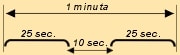
When danger is imminent, sirens are a means of warning residents. In the Czech Republic, the so-called General Alert is used as a warning signal. This is a fluctuating siren tone that sounds for 140 seconds. It can sound three times in succession, always at an interval of three minutes
When the siren sounds...
- Listen carefully to the announcement that follows the warning signal. You will learn what emergency situation is imminent or has already arisen and what you should do in that situation.
- Alert others in your area.
- Seek shelter in the nearest building, even if you are driving. Take shelter on a higher floor of the building, on the side away from the emergency site (if you know it). Enclosed rooms without windows are safer. Avoid basements.
- Depending on the type of threat, seal windows and doors if necessary, turn off fans and air conditioning, and block vents. Use duct tape, wet cloth, a blanket or your own clothing to seal openings. Don’t forget to seal the space under the door.
Monitor mass media – radio, television, internet. - Keep calm and cool, do not underestimate the situation, but do not panic. Do not overload the telephone network. Call the emergency line only in case of emergency, do not use it as a source of information.
- Stay inside the building until you are informed that the danger has passed. You will be asked to evacuate or leave the building by emergency personnel.
- If you are in danger, call 112.
- If you need help, hang a piece of white cloth out of the window. This will give your location and make it easier and quicker for rescue workers to find you.
Help children, the elderly and the disabled, and don’t forget the deaf and people with other disabilities. Remember that human life and health is the most valuable asset, followed by property. Do not spread alarming and unverified news.
Warning. There are situations where sheltering inside a building is not appropriate! If flooding is imminent, move to an elevated location, such as a hill. If there is a large fire, earthquake or landslide, seek an open area.
Test tone

The siren test takes place on the first Wednesday of each month at 12:00 PM sharp. There is no danger and no action to be taken.
General warning

Fire alarm
Use modern technology to receive messages. You can always get up-to-date information on the radio broadcast ČRo 1 Radiožurnál, on the TV channels CT1 and CT24 or official announcements from the Emergency Service on their social media accounts – e.g. X (Twitter), Facebook, etc.
Evacuation luggage
Be prepared for an emergency. Pack essential items in your evacuation baggage in case you have to leave your home suddenly.
Store your luggage in an easily accessible place and check it regularly, make sure it contains everything you need.
Recommended equipment
- A supply of water (three litres per person per day) and long-lasting food that can be easily prepared, all for three days
- A mug or a bowl, cutlery, can opener
- Personal documents (ID card or passport, insurance card)
- Other important documents (insurance contracts, saving account contracts, stocks, bonds, etc.)
- Cash, credit cards
- Personal medication and medical supplies (for seven days)
- A first aid kit
- Personal hygiene supplies
- Clothing and footwear appropriate to the season
- A raincoat or an umbrella
- A mobile phone including a charger
- A list of family contacts and other important numbers
- An FM radio with charger or spare batteries (for monitoring news or weather forecasts)
- A flashlight with spare batteries
- A pocket knife
- Writing utensils
- A spare set of keys to the apartment or house and to the car
- A book, games and toys to keep the children entertained
- A camera to take photos of the damage
Supplement basic equipment as needed, such as items for infants and young children. Don’t forget your pets.
Pets
During emergencies, the focus is mainly on people. However, animals may also need help. Consider pet ownership in your safety preparation. Here are some good tips.
Prepare...
- Learn how to give first aid to your animal. You can find valuable information in special manuals or on the Internet.
- Expect to take your animal with you when you evacuate. If something is not safe for you, it is usually not safe for your animal.
- Most evacuation centres cannot accept pets, primarily because of the potential health and safety risks to other evacuees. Only assistance animals for people with disabilities can stay in evacuation centres.
- Find out in advance who among your relatives or friends could care for your pet in an emergency. Specialist animal boarding kennels, shelters or vets can also help. Keep an emergency contact list on your mobile phone.
- Check that your pet has all the required vaccinations and that the identification tag contains the correct details. Make sure collars and leashes are properly attached. Animal shelters usually require proof of vaccinations to prevent the possible spread of disease.
- Pack your animal’s evacuation bag.
- Discuss with your veterinarian the possibility of vaccinating your animal. When the animal runs away, a chip will substantially increase the chances of being reunited with it.
Pack your animal's evacuation bag.
In the event of evacuation you will need:
- a collar and leash
- a copy of the vaccination certificate
- food for at least three days
- a water bowl
- an animal carrier
- a sleeping pad
- a favourite toy
In the case of dangerous (venomous) exotic animals (snakes, spiders), secure them against escape and alert the Emergency Services that these dangerous animals have been left in the apartment. Animals that do not necessarily need daily care should be provided with food and water for a longer period of time before leaving. If possible, provide them with a safe space (e.g. by carrying them upstairs, taking them to alternative premises) and keep them locked up at home.
What to do when I leave the house
The following precautions should be taken immediately before and when leaving home after an evacuation has been declared:
- Check that neighbours have also been informed of the evacuation.
- Put out the fire in the heaters.
- Turn off lights, turn off all electrical appliances except refrigerators and freezers.
- Shut off gas and water supplies to the apartment and house.
- Pack evacuation luggage.
- Give young children a note in their pocket with their name and address.
- Take cats and dogs with you; leave other pets at home, give them food and water for a few days.
- Take evacuation luggage with you, lock the front door of the apartment (house) and put a note on it saying “EVACUATED”.
- Arrive at the evacuation centre. If you own a car, arrive with your vehicle.
If there is sufficient time
(e.g., the possibility of an evacuation has been announced in advance by public authorities), we recommend that citizens take these precautions:
- evacuate valuable objects and equipment, electronics, personal computers, objects of cultural value such as paintings, sculptures, antique furniture, etc. outside the threatened area
- take away valuable and unique documents or secure them against destruction : certificates, diplomas, family photographs, CDs, DVDs, contracts, securities, warranty certificates, accounting records, building documentation, chronicles, archives, valuable books, etc
- take mobile equipment, machinery and other vehicles (that will not be used for transport of own and family members during the evacuation) out of the threatened area
- move large and small domestic animals out of the threatened area and provide food for them at their new accommodation
In the event of flooding, further implement:
- remove various chemicals, solvents, paints, fuel, oil, etc. from cellars and ground floor rooms to higher floors; this is to prevent contamination of water with hazardous chemicals
- in your yards and gardens, remove or secure (tie down) items that float or could be carried away by water
- removing objects, that may create artificial dams for the flowing water and thus worsen the flood situation, from open spaces
- prepare sandbags and use them to plug window openings to cellars and entrance doors to the house, seal openings to drains and waste pipes on the ground floor and in cellars
- create a sandbag dam around the well.